


A Simple Switch Led 121 People to Their Death
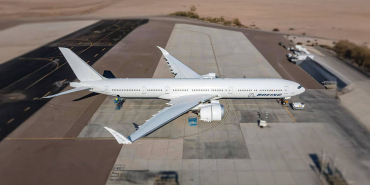
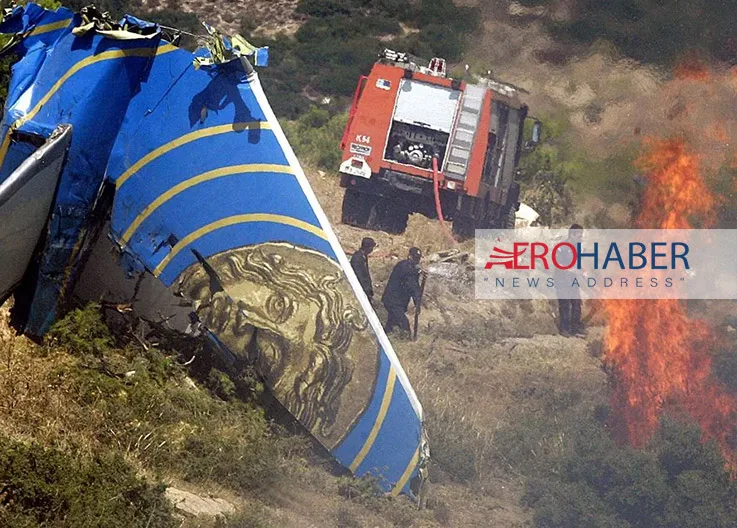
The Helios Airways tragedy, regarded as one of the most tragic and mysterious accidents in aviation history, remains etched in memory even years later. On 14 August 2005, a passenger plane that took off from Larnaca Airport in Cyprus for Athens became the grave of 121 people due to a pressurisation system error.
The flight, scheduled to last around 1 hour and 45 minutes, turned into a three-hour nightmare because of a simple but fatal error in the cockpit. The pressurisation switch had been left on manual instead of automatic, preventing the oxygen masks from deploying in the cabin. As a result, passengers and pilots lost consciousness from hypoxia, and when the aircraft eventually ran out of fuel, it crashed into mountainous terrain in the Grammatiko region near Athens.

A Chain of Human Errors
The investigation report revealed that the tragedy was not caused by a single mistake but by a chain of negligence and mismanagement. Helios engineers had skipped key control procedures, while the pilots misinterpreted warning signals in the cockpit. Findings emphasised that a total of 16 separate human errors contributed to the crash.

The Last Hope: Prodromou
When Greek Air Force F-16s intercepted the aircraft mid-air, it was discovered that flight attendant Andreas Prodromou had taken the captain’s seat. Holding a commercial pilot’s licence, Prodromou managed to stay conscious longer thanks to portable oxygen bottles. Cockpit recordings captured his desperate, breathless “Mayday” call. However, since the radio was still tuned to a Cyprus frequency, the distress call never reached any control centre.

Trials and Aftermath
Following the tragedy, Helios staff were prosecuted for “manslaughter by negligence.” Engineer Alan Irwin was sentenced to 10 years in prison but was later acquitted. In 2007, the families of eight Cypriot victims who had died in the crash reached a confidential settlement in their lawsuit against Boeing.
Aviation expert David Learmount’s statement summed up the essence of the disaster: “The aviation system is built to prevent a single error from leading to catastrophe. If the checks had been carried out as required, this accident would never have happened.”