


Germany’s aviation sector is struggling with rising ticket taxes, airport charges and security costs, while government efforts to reduce the financial burden are deemed insufficient by airlines. According to industry representatives, the real crisis lies in the global aircraft supply shortage.
Gerald Wissel, CEO of Hamburg-based Airborne Consulting, told DW that the reduction planned in Germany’s ticket tax is “purely symbolic,” stressing that this improvement will not benefit passengers financially.
Wissel noted that although airlines will save around 15 euros per ticket, this will not be reflected in prices due to dynamic pricing, saying, “The state is giving up revenue, but passengers will not see the benefit of the tax cut.”
The Real Bottleneck: Aircraft Shortage
Experts say that German airlines are reducing capacity not because of taxes and fees, but due to a lack of aircraft. Low-cost carriers such as EasyJet and Ryanair have been forced to shrink their networks as delays in aircraft deliveries have prevented them from expanding their fleets.
Wissel said that criticism of high airport charges in Germany masks a much larger structural issue, stating: “Airlines are cutting capacity because there are no aircraft. This is the real problem in the market.”
Limited Tax Reduction from the Government
The German government has announced a plan to reduce aviation tax to pre-pandemic levels starting 1 July 2026. The reduction will vary between 3 and 13 euros per ticket depending on the route.
BDL CEO Joachim Lang welcomed the decision but said that Germany needs more comprehensive financial relief to regain its competitive strength in Europe.
Traffic Recovering, Tax Revenues Hitting Records
According to ACI Europe data, European aviation exceeded pre-pandemic levels in 2024 with 7.4% growth. In Germany, the number of passengers subject to aviation tax rose to 81 million in 2023, still below 2019 levels.
Nevertheless, aviation tax revenues surged significantly. Revenues, which were 963 million euros in 2011, rose to 1.88 billion euros in 2023.
Global Crisis: Order Backlogs, Ageing Fleets
IATA’s latest report shows that the aviation industry has placed a record 17,000 new aircraft orders. At current production rates, it will take 14 years to deliver these aircraft.
The same report notes that the average age of the global commercial aircraft fleet has risen to 15 years — the highest level in aviation history. In addition, the sector is also facing a long-term pilot supply crisis.
According to Wissel, delivery delays are putting even more pressure on Europe’s low-cost carriers:
“Ryanair has 400 aircraft on order, and EasyJet has hundreds. Until these aircraft arrive, companies are forced to focus their capacity on the most profitable routes.”
German Airports Affected by Cuts
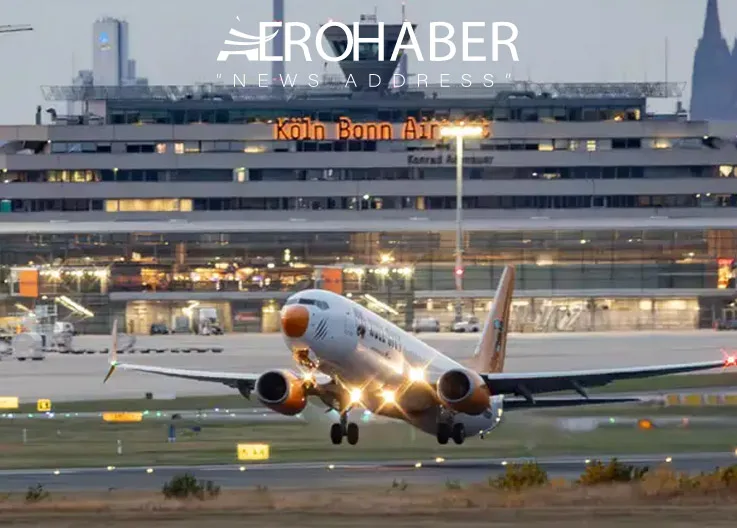
Ryanair cut 76 weekly flights in Berlin in January and completely removed 44 routes from Cologne. EasyJet is planning only 2–4% seat capacity growth for 2026, far below the group’s overall target of 7%.
Germany remains Europe’s largest aviation market. Therefore, industry experts expect Ryanair and other low-cost carriers to return to aggressive expansion once aircraft deliveries are completed.
Wissel said: “Lufthansa will not be left alone. Once the capacity issues are resolved, competition will accelerate again.”